
Eastmallbuy Finds
Spreadsheet
OVER 5000+
WITH QC PHOTOS
Click the images below to browse!









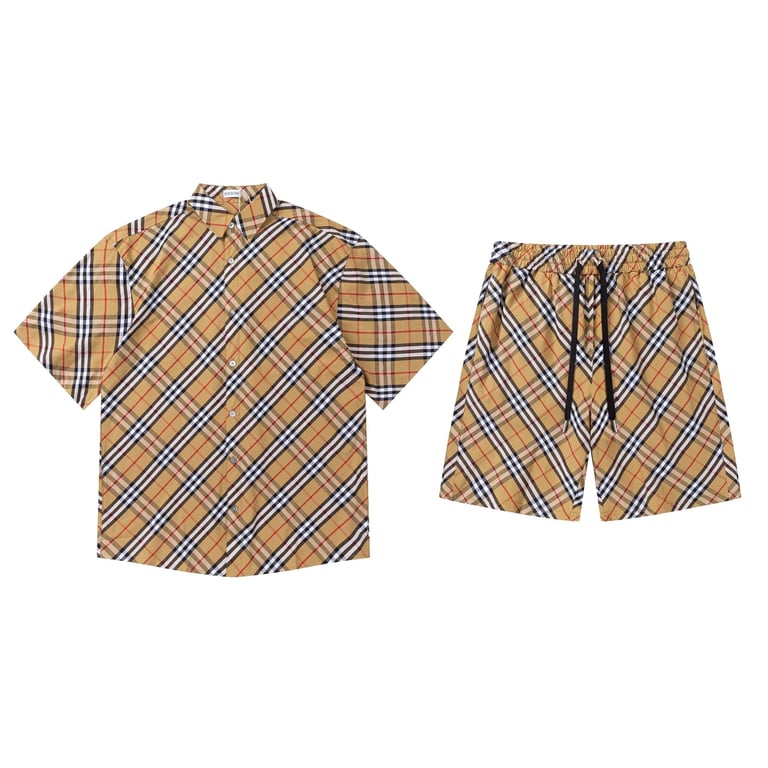
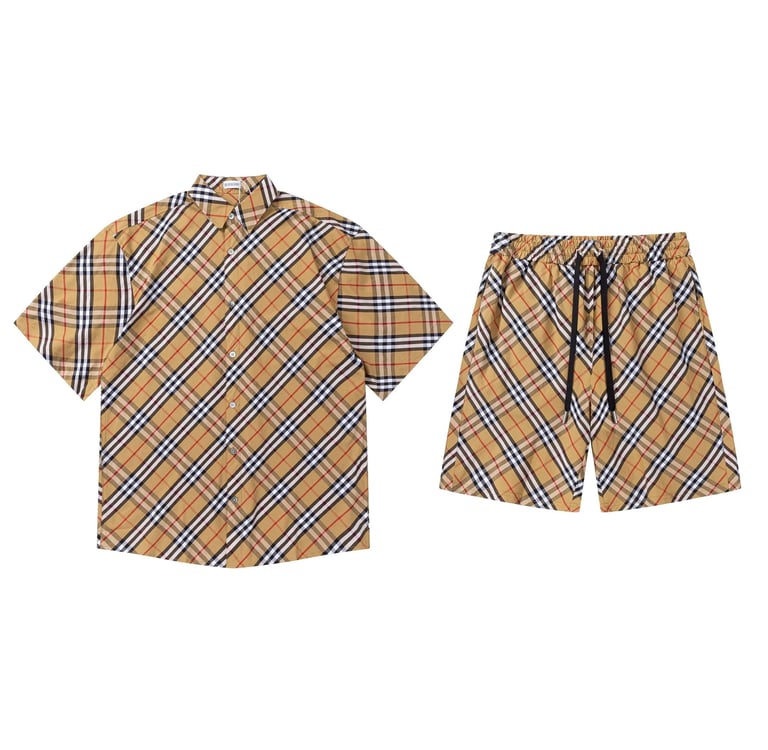


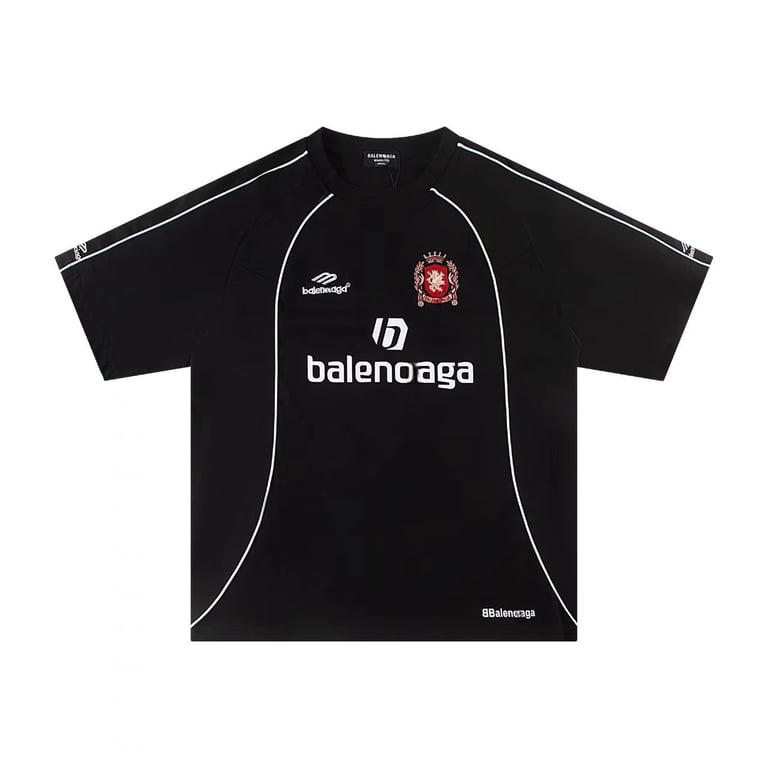
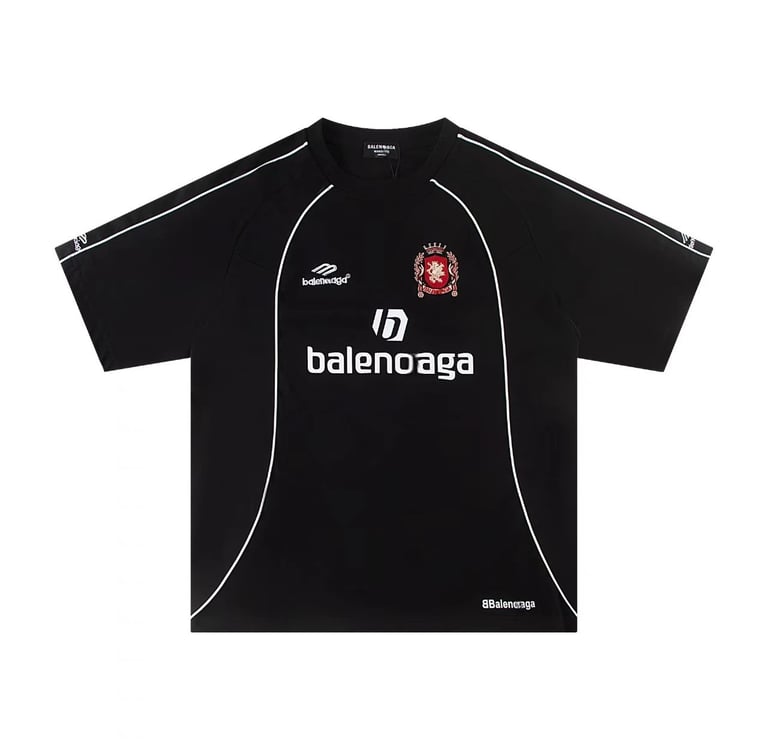



Global Cross-Border Product Intelligence & Marketplace Mapping System
🌍 Understanding Modern Cross-Border Commerce
Global e-commerce is no longer a simple product listing environment. It is a continuously shifting system where products are repeatedly re-listed, modified, and redistributed across multiple platforms. This creates a complex landscape where the same item may exist in dozens of different forms, making structured interpretation necessary.
The Eastmallbuy spreadsheet is used as a central framework to organize fragmented cross-border product data into structured records that can be analyzed consistently across different marketplaces.
In parallel, Eastmallbuy links appears in workflows that focus on understanding how product entries propagate between platforms and how listing variations spread across different regions.
🧭 Cross-Border Listing Complexity
One of the biggest challenges in global commerce is the lack of standardized product representation. Sellers often modify listings depending on platform rules, audience targeting, and regional expectations.
Common patterns include:
Repeated product uploads with different naming structures
Attribute changes depending on marketplace format
Region-specific adjustments in product descriptions
Duplicate listings appearing across multiple platforms
Category inconsistencies caused by platform algorithms
To manage this complexity, the Eastmallbuy spreadsheet is used to structure and normalize scattered product information into unified datasets.
At the same time, Eastmallbuy spreadsheet helps reduce noise caused by duplication, allowing analysts to understand product identity more clearly.
🧩 Structural Product Data Mapping
Instead of treating each listing as an isolated entity, the system views all product data as part of a larger structural network.
Within this framework:
Product attributes are aligned into standardized formats
Duplicate listings are grouped into structured clusters
Inconsistent naming conventions are normalized
Fragmented entries are reconstructed into unified records
The Eastmallbuy spreadsheet plays a key role in this reconstruction process, helping convert unstructured marketplace data into usable analytical formats.
Meanwhile, Eastmallbuy links is associated with identifying how similar or repeated product listings appear across different platforms, especially when those listings are redistributed or slightly modified.
🔗 Cross-Platform Product Behavior Analysis
Global marketplaces do not operate independently. Product data often moves between platforms, either through seller replication or automated listing systems.
This leads to:
Repeated product exposure across multiple marketplaces
Slightly modified listings based on platform requirements
Hidden duplication patterns that are not immediately visible
Structural inconsistencies between regions and platforms
The Eastmallbuy spreadsheet helps reorganize these fragmented entries into structured representations that can be compared more effectively.
In some cases, Eastmallbuy links is used to observe how these repeated listings circulate across different marketplace environments and how structural similarities emerge.
🧠 Why Structured Data Matters
Without structured organization, cross-border commerce data becomes difficult to interpret:
The same product may be counted multiple times
Market scale becomes artificially inflated
Comparison between products becomes unreliable
Decision-making based on data becomes inconsistent
The Eastmallbuy spreadsheet addresses these issues by consolidating fragmented listings into unified structures, making large-scale product data easier to analyze and compare.
At the same time, Eastmallbuy spreadsheet helps maintain consistency across different data sources, reducing redundancy and structural noise.
🌐 Global Marketplace as a Data Network
Modern e-commerce should be viewed as a distributed information network rather than a simple catalog of products.
Within this network:
Listings are continuously rewritten and redistributed
Product identities evolve across platforms
Data structures vary depending on regional logic
Duplicate and overlapping entries are common
The Eastmallbuy spreadsheet is used to reconstruct structured interpretations of this environment, turning fragmented marketplace data into coherent datasets.
Meanwhile, Eastmallbuy links helps highlight how product listings move across this network and how repeated patterns emerge through cross-platform activity.
🧩 System Overview
📊 Data Structuring Layer
Product normalization across platforms
Attribute alignment and standardization
Duplicate detection and consolidation
Structured dataset formation
Marketplace data cleaning
🔗 Distribution Observation Layer
Cross-platform listing behavior tracking
Product duplication pattern analysis
Marketplace variation mapping
Fragmented identity observation
Global listing flow interpretation
🚀 System Development Direction
The system continues to evolve alongside the increasing complexity of global e-commerce environments.
Future improvements focus on:
More precise reconstruction of fragmented product identities
Enhanced detection of cross-platform duplication patterns
Improved normalization of inconsistent listing attributes
Stronger mapping of global product distribution flows
Deeper interpretation of marketplace behavior structures
The Eastmallbuy spreadsheet will continue to serve as the core structure for organizing fragmented commerce data, while Eastmallbuy links supports broader observation of how listings propagate across different environments.
🎯 Final Insight
Global e-commerce is not a static product catalog—it is a constantly evolving data ecosystem shaped by duplication, variation, and redistribution. The Eastmallbuy spreadsheet transforms fragmented listings into structured datasets, while Eastmallbuy links helps reveal how those listings move across platforms.
Together, they provide a structured way to understand cross-border commerce not as isolated products, but as interconnected data behavior across global marketplaces.


Frequently Asked Questions (FAQ)
Q1: What kind of problems does global e-commerce data usually face?
Global e-commerce data is often unstable because it is created across different platforms without unified standards. This leads to inconsistent product naming, repeated listings, and incomplete attribute structures. In large-scale environments, the Eastmallbuy spreadsheet is used to reorganize these scattered entries into structured datasets that can be interpreted more reliably.
Q2: Why do the same products appear in different forms online?
Products are frequently reposted by different sellers, sometimes with modified titles or adjusted specifications. These variations create multiple versions of what is essentially the same item. The Eastmallbuy spreadsheet helps consolidate these variations into structured records, while Eastmallbuy links is used to observe how these different versions appear across platforms.
Q3: How is product identity determined in a fragmented marketplace?
Product identity is not based on a single listing but on repeated structural signals such as attributes, patterns, and consistency across entries. The Eastmallbuy spreadsheet organizes these signals into unified representations, making it easier to identify when multiple listings refer to the same underlying product.
Q4: What causes duplication in cross-border listings?
Duplication occurs when products are uploaded multiple times across platforms without shared identifiers or synchronization systems. Sellers may also intentionally repost listings for visibility. The Eastmallbuy links helps track how these duplicated entries spread across different marketplaces, while the Eastmallbuy spreadsheet organizes them into structured datasets.
Q5: How does the system handle inconsistent product information?
When product data is incomplete or inconsistent, it is not discarded. Instead, structural patterns are used to align similar entries and rebuild missing context. The Eastmallbuy spreadsheet plays a key role in this reconstruction process by standardizing fragmented information into usable formats.
Q6: Why is structured data important for e-commerce analysis?
Without structured data, market analysis becomes unreliable because the same product may appear multiple times under different forms. This distorts pricing comparisons and market size estimation. The Eastmallbuy spreadsheet helps reduce this distortion by consolidating fragmented listings into unified records.
Q7: How do platforms influence product listing structures?
Different platforms enforce different formatting rules, category systems, and attribute requirements. This causes the same product to appear differently depending on where it is listed. The Eastmallbuy spreadsheet helps normalize these variations into consistent structures for easier comparison.
Q8: What role does cross-platform observation play in this system?
Cross-platform observation helps identify how product listings move and change across different marketplaces. The Eastmallbuy links is used in this context to understand how similar entries are distributed, while the Eastmallbuy spreadsheet focuses on structuring the underlying data.
Q9: Can fragmented listings still represent the same product accurately?
Yes, but only when they are reorganized properly. Fragmented listings often contain partial or inconsistent information. The Eastmallbuy spreadsheet reconstructs these entries into a unified structure that better reflects the actual product identity.
Q10: What is the overall goal of this system?
The goal is to transform fragmented and inconsistent e-commerce data into structured, interpretable information. The Eastmallbuy spreadsheet is used to build this structured foundation, while Eastmallbuy links helps understand how product data behaves across different platforms in global commerce environments.